
In the last twelve months, the average Australian has spent roughly 2 hours and 15 minutes per day on a smartphone game, according to data from App Annie. That single figure tells a story: mobile gaming is no longer a niche pastime, it’s a dominant slice of the nation’s entertainment diet.
Why Phones Beat Consoles for Aussie Players
First, the hardware advantage is clear. As of June 2024, 86 % of Australian households own at least one smartphone, while only 42 % own a dedicated gaming console. A phone fits in a pocket, a backpack, or a surfboard bag, which means a gamer can launch a match while waiting for a ferry to Circular Quay. The barrier to entry is also lower: a $699 iPhone or a $299 Android device costs far less than a $500 PlayStation 5 plus a $60 game.
Second, network upgrades have made the experience smoother. The rollout of 5G in major cities such as Sydney, Melbourne, and Brisbane now delivers latency under 30 ms for most users, a level previously reserved for wired broadband. That latency drop turns previously frustrating multiplayer shooters into viable competitive platforms.
Revenue Shifts: From Retail Shelves to App Stores
According to a report by the Interactive Games & Entertainment Association, mobile game revenue in Australia hit AU$1.2 billion in 2023, overtaking the combined retail sales of physical board games and handheld consoles. The bulk of that money—about 62 %—comes from in‑app purchases, not the initial download price. Players are spending an average of $23 per month on cosmetics, battle passes, and loot boxes.
These micro‑transactions have also reshaped developer strategies. Studios now prioritize live‑ops updates, releasing new skins or limited‑time events every two weeks to keep the cash flow steady. The result is a constantly evolving game world that feels more like a service than a product.
Social Dynamics: Gaming as a Community Hub
Mobile games have become the new “pub” for many Australians. Titles such as Clash Royale and Genshin Impact host Discord servers with thousands of local members, arranging weekend tournaments in cafés across Perth. A recent survey showed that 48 % of respondents had met a friend offline after initially connecting in a mobile game.

Even casual titles like Wordscapes generate social interaction through leaderboards that rank players by suburb. Residents of Bondi can see how they stack up against those in Manly, turning a solitary puzzle into a neighborhood bragging right.
Impact on Traditional Media Consumption
Streaming services are feeling the ripple. While Netflix reported a 3.2 % dip in Australian viewership during Q3 2024, mobile gaming sessions rose by 9.5 % in the same period. Advertisers are responding by buying ad space inside games rather than on television. A 15‑second interstitial in a popular racing game now reaches an estimated 1.8 million Australian users per week.
Moreover, game developers are experimenting with cross‑media storytelling. A mobile RPG released a short animated episode on YouTube that tied directly into an in‑game quest, blurring the line between passive watching and active playing.
Challenges: Battery Life, Data Caps, and Regulation
Not everything is smooth sailing. High‑performance titles drain a typical smartphone battery to 20 % in under an hour, forcing players to carry power banks. Data‑heavy games can eat through a 100 GB plan in just two weeks, a costly issue for users in regional areas where broadband options are limited.
Regulatory bodies are also catching up. The Australian Communications and Media Authority has begun reviewing loot‑box mechanics for potential gambling classification, which could affect how developers monetize future updates.
From Mobile Screens to Online Gaming Hubs
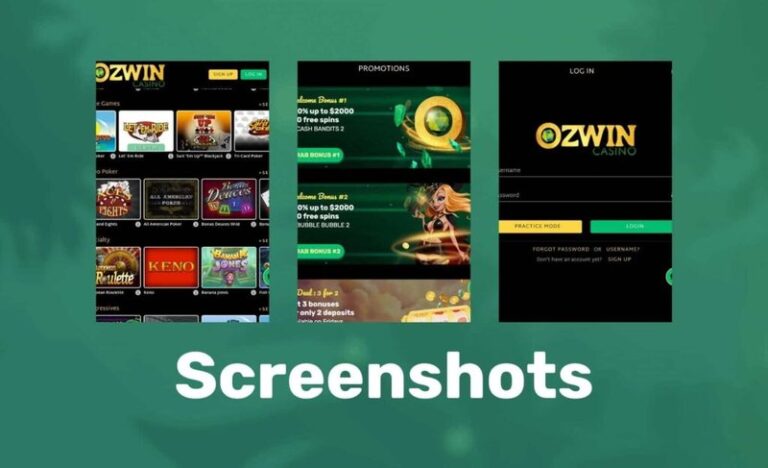
While mobile gaming dominates daily leisure, many Australians use the same devices to dip into broader online entertainment ecosystems. Platforms that blend streaming, social interaction, and multiplayer experiences are gaining traction, and one such service—ozwin—offers a seamless bridge between casual phone play and more immersive online gaming sessions.
For players looking to try their luck, the ozwin platform also features a range of casino games.
Looking Ahead: What the Next Five Years May Hold
Projection models from Deloitte suggest that by 2029, mobile gaming will account for 58 % of all gaming revenue in Australia. Expect tighter integration with augmented reality, especially as AR‑compatible phones become mainstream. Developers are already piloting location‑based quests that reward players for visiting landmarks like the Sydney Opera House.
In parallel, the rise of cloud gaming services such as Xbox Cloud Gaming and PlayStation Plus Premium will allow high‑fidelity titles to run on a phone without the need for powerful hardware. If latency continues to drop, the distinction between “mobile” and “console” could become obsolete.
Conclusion: A Mobile‑First Entertainment Culture
Australia’s entertainment landscape is now built around the pocket. Whether it’s a quick match on the train, a weekend tournament in a café, or an AR quest that turns a city walk into a game, mobile devices are the common denominator. The shift brings new revenue streams, fresh social rituals, and a set of practical challenges that will shape the industry for years to come.
Frequently Asked Questions
How many Australians spend time on mobile gaming?
About 86% of households own a smartphone, and the average user spends over 2 hours daily on mobile games.
Why are mobile games more popular than console games in Australia?
Phones are ubiquitous, convenient and offer a wide variety of free-to-play titles, while consoles are less common and often more expensive.